

Healing My Mind and Body After Infertility Trauma
Infertility changes you in ways no one prepares you for. It’s not just medical appointments, hormone injections, or negative pregnancy tests. It’s the quiet grief. The body betrayal. The isolation. The way hope rises and crashes in the same month. By the time I stopped treatments, I wasn’t just physically exhausted — I was emotionally fractured.
For years, my life revolved around cycles. Ovulation cycles. IVF cycles. Emotional cycles. Every month carried expectation, calculation, and silent prayer. And every failure left a deeper bruise. I told myself I was strong. I told myself I could handle it. But strength without rest becomes trauma.
When I finally paused treatment, I thought relief would come. Instead, emptiness did. I didn’t know who I was without appointments to attend or medications to track. My body felt foreign. My mind felt loud. I had spent so long fighting for pregnancy that I never processed what the fight was doing to me.
Infertility trauma is rarely discussed openly. People talk about “staying positive.” They say “just relax.” They suggest gratitude. But trauma doesn’t disappear because you smile through it. My nervous system was constantly on edge. I startled easily. I overthought everything. I felt guilt for resting and shame for grieving.
The first step in healing was admitting I was not okay.
That sounds simple. It wasn’t.
I had built my identity around resilience. Around pushing through. Around being the strong one. Admitting I was struggling felt like weakness. But it was the opposite. It was the most honest thing I had done in years.
I began therapy. Not because I was broken, but because I needed language for what I had endured. In those sessions, I learned something life-changing: my body wasn’t failing me — it was protecting me. The anxiety, the exhaustion, the mood swings — they were signals of overload, not defects.
I started learning about nervous system regulation. Breathwork. Slowing down. Gentle movement instead of punishing workouts. I replaced intense cardio with walking in sunlight. I replaced self-criticism with journaling. Instead of asking, “Why can’t my body do this?” I started asking, “What does my body need right now?”
Food was another part of healing. During treatments, my eating was either hyper-controlled or completely emotional. There was no balance. I began focusing on nourishment instead of control. Protein to stabilize my mood. Fiber for digestion. Hydration for clarity. Small, consistent meals instead of restriction and rebound.
Sleep became sacred. For years, I had scrolled at night, researching protocols, reading success stories, comparing timelines. Now, I set boundaries. No fertility forums. No late-night Googling. My bedroom became a place of recovery, not research.
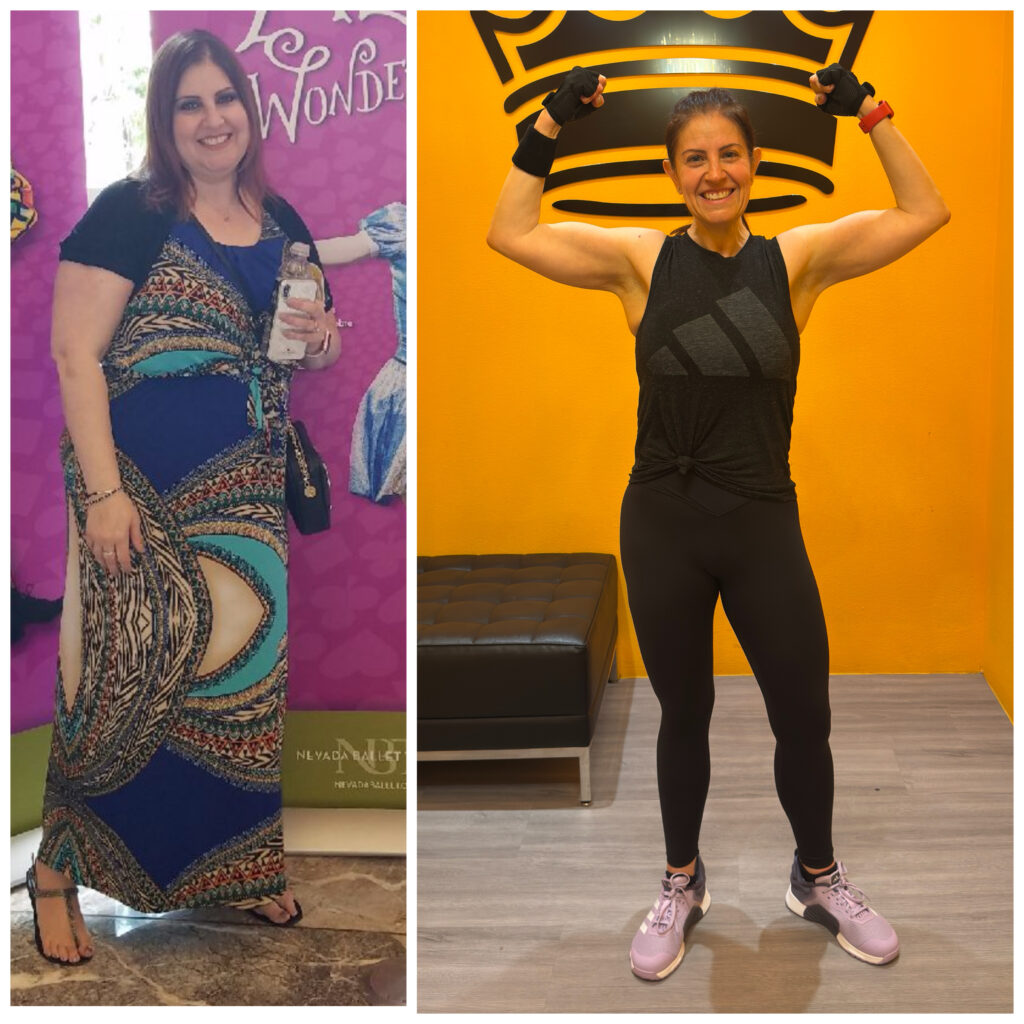
Movement shifted from punishment to partnership. Instead of working out to “fix” my body, I trained to strengthen it. Lifting weights helped me reconnect with physical power. Yoga helped me reconnect with softness. Both were necessary.
But healing wasn’t linear.
There were days grief hit unexpectedly — baby announcements, family gatherings, random memories. Some mornings felt heavy without explanation. I stopped trying to rush those feelings away. Grief processed slowly becomes wisdom. Grief suppressed becomes illness.
One of the hardest parts was identity reconstruction. For years, I had seen myself primarily as a woman trying to become a mother. When that path closed, I felt lost. Who was I without that dream?
The answer didn’t come quickly.
It unfolded in small discoveries. I was someone who valued health. Someone who loved teaching and guiding others. Someone resilient, yes — but also deserving of rest. I started exploring new goals unrelated to motherhood. Fitness certifications. Personal development. Community involvement. I allowed myself to expand beyond a single narrative.
Forgiveness was another layer. I had to forgive my body. Forgive myself for the years of stress. Forgive the doctors I blamed. Forgive timelines that didn’t unfold as planned. Forgiveness didn’t mean agreement. It meant release.
I also had to redefine hope.
Hope was no longer tied to pregnancy tests. It was tied to peace. To stability. To waking up without dread. To feeling at home in my own skin again.
Slowly, my mind became quieter. My body felt safer. My emotions felt manageable instead of overwhelming. I wasn’t “over it.” Trauma doesn’t vanish. But I was integrating it instead of fighting it.
The most surprising part of healing was discovering strength in softness. For years, I equated power with pushing harder. Now, I understood that true strength includes rest, boundaries, and self-compassion.
Infertility trauma reshaped my life. But it did not define my worth.
Healing meant choosing myself daily. It meant honoring what I survived without living permanently in survival mode. It meant rebuilding trust with my body instead of resenting it.
Today, I still carry the memory of those years. But they no longer control my nervous system. They no longer dictate my identity. I am not just a woman who experienced infertility. I am a woman who rebuilt her mind and body after it.
And that rebuilding required something I once resisted: slowing down long enough to truly heal.