I Didn’t Think I Would Recover—But I Did
There was a time in my life when I truly believed I wouldn’t recover. Not in the hopeful, inspiring way people talk about healing—but in a quiet, heavy way that felt final. It felt like I had gone too far into the darkness, carried too much pain, and lost too many parts of myself along the way to ever come back. I wasn’t just having a bad season—I felt stuck in a version of life that didn’t feel like living at all. I was exhausted in a way that sleep couldn’t fix, emotionally drained in a way I couldn’t explain, and mentally overwhelmed by thoughts that never seemed to stop.
I had spent years pushing through difficult experiences—loss, grief, emotional struggles, and the constant pressure to keep going no matter how I felt. On the outside, I was functioning. I showed up. I did what I had to do. But inside, I felt disconnected from everything, including myself. It was like I was watching my life from a distance instead of actually living it. The things that once brought me joy no longer felt the same. My energy was low, my motivation was gone, and even the smallest tasks felt overwhelming.
There were days when getting out of bed felt like a challenge. Days when I questioned everything—who I was, where I was going, and whether things would ever get better. I remember thinking, “This is how it’s going to be now.” And that thought was terrifying. Because when you’ve been in a dark place for so long, it becomes hard to imagine anything different. It becomes your normal.
I didn’t have a dramatic turning point. There wasn’t a moment where everything suddenly changed. Instead, it started with something small—a quiet thought that maybe I didn’t want to feel like this forever. I didn’t fully believe I could recover, but I started to believe that I could at least try to feel a little better.
That small shift in thinking changed everything.
I didn’t create a perfect plan or set big goals. I simply started where I was. I focused on small, manageable changes—things that didn’t feel overwhelming. I paid attention to my daily habits, my routine, and how I was treating myself. I started choosing small actions that supported my well-being, even when I didn’t feel motivated to do them.
At first, it felt like nothing was changing. Progress was slow, almost invisible. There were days when I wanted to give up because it felt like all my effort wasn’t making a difference. But I kept going. Not because I felt strong, but because I didn’t want to stay stuck in the same place anymore.
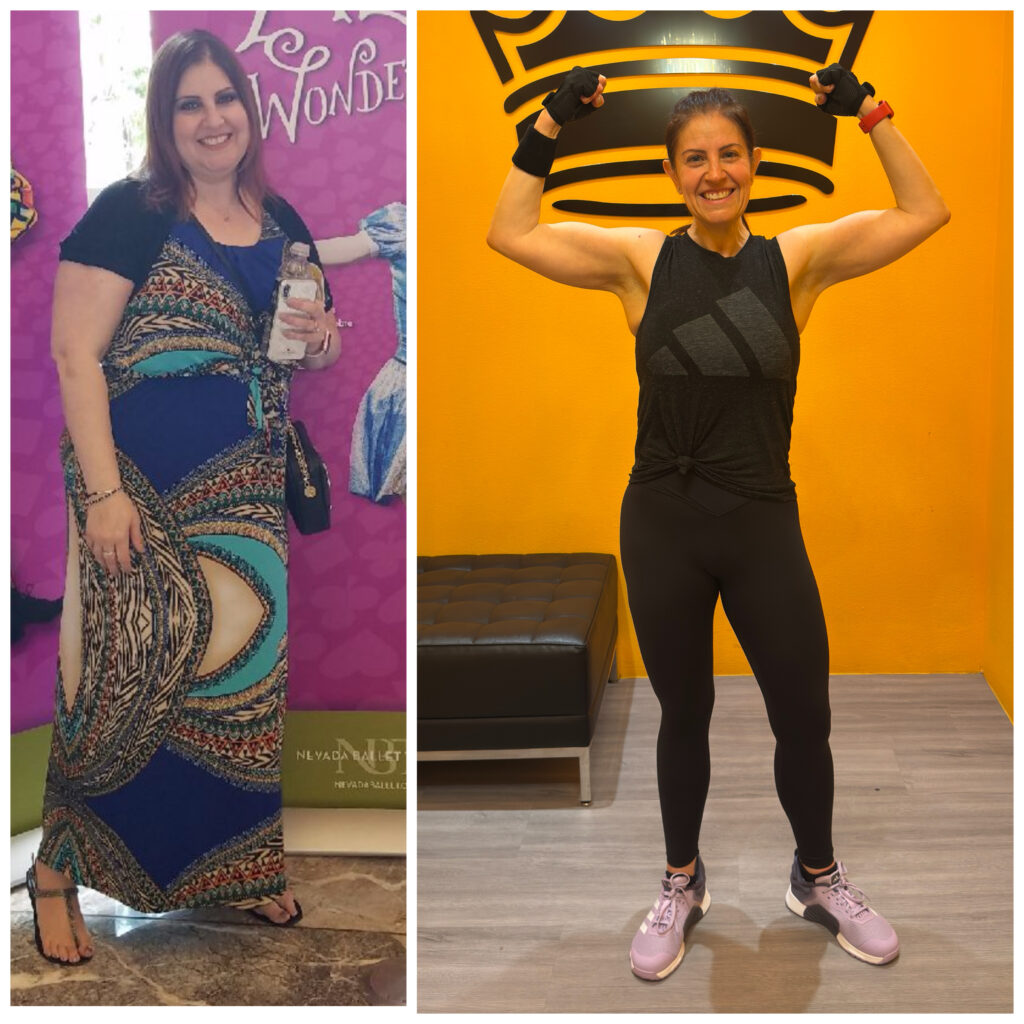
One of the biggest changes I made was introducing movement into my life. Not in a way that felt forced or intense, but in a way that felt supportive. Moving my body gave me something I hadn’t felt in a long time—a sense of release. It helped me step out of my thoughts, even if just for a little while. It gave me moments where I could breathe, where the weight felt slightly lighter.
Those moments became important.
Because they reminded me that change was possible.
As I stayed consistent, I began to notice small shifts. My energy improved, even if only slightly. My thoughts became a little quieter. I started to feel more present in my daily life. It wasn’t a complete transformation, but it was enough to keep me going.
Recovery didn’t happen all at once. It happened in layers.
There were good days and hard days. Moments where I felt like I was making progress, and moments where I felt like I was back at the beginning. But the difference was—I didn’t give up. I had built just enough strength to keep going, even when it was difficult.
Another important part of my recovery was learning to understand my thoughts. For so long, my inner voice had been negative and critical. I constantly doubted myself, questioned my worth, and believed that I wasn’t capable of change. Those thoughts had become so normal that I didn’t even realize how much they were affecting me.
But slowly, I started to challenge them.
I began replacing those thoughts with something more supportive, even if I didn’t fully believe it at first. I reminded myself that healing takes time. That I didn’t need to have everything figured out. That progress, no matter how small, still mattered.
That shift in mindset made a bigger difference than I expected.
I also found support along the way. Being around people who encouraged me, who understood what it meant to work on yourself, made the journey feel less lonely. It reminded me that I wasn’t the only one struggling and that recovery wasn’t something I had to do by myself.
Over time, everything started to come together.
The small habits I built became part of my routine. The effort I put in started to show—not just physically, but mentally and emotionally. I felt stronger, more aware, and more connected to myself than I had in years.
And one day, I realized something I never thought I would feel again.
I felt hope.
Not the kind of hope that promises everything will be perfect, but the kind that reminds you that you’re capable of handling whatever comes your way. The kind that tells you that no matter how far you’ve fallen, you can still rebuild.
Looking back now, I can see that recovery wasn’t about going back to who I was before.
It was about becoming someone new.
Someone stronger.
Someone more resilient.
Someone who understands their own strength.
The version of me who once believed recovery wasn’t possible is not the same person writing this today. And that alone shows me how far I’ve come.
If you’re in a place where you feel stuck, where recovery feels impossible, I want you to know this—you don’t have to believe in the full journey right now. You don’t have to see the end result.
You just have to take one step.
One small action.
One small decision to try.
Because sometimes, that’s how everything begins.
I didn’t think I would recover.
But step by step, day by day…
I did.