I Didn’t Know How Broken I Was Until I Tried to Heal
For years, I genuinely believed I was doing fine. I handled responsibilities, showed up for the people who depended on me, and continued moving forward no matter how difficult life became. From the outside, I looked strong, capable, and resilient. Most people probably assumed I had everything under control. The truth, however, was very different. I had simply become skilled at hiding my pain. I knew how to stay busy enough to avoid difficult emotions, how to smile when I was hurting, and how to convince myself that surviving was the same thing as healing.
At the time, I didn’t realize how much emotional weight I was carrying. I thought strength meant pushing through pain without stopping. Whenever something difficult happened, I immediately shifted into action mode. I focused on solving problems rather than processing emotions. Looking back now, I understand that I spent years avoiding my wounds instead of healing them. The problem was that pain ignored does not disappear. It waits patiently beneath the surface until it can no longer be ignored.
My life changed dramatically in 2015 when I was diagnosed with infertility. That diagnosis shook me in ways I was not prepared for. The future I had imagined suddenly felt uncertain, and the dreams I had carried for years seemed fragile. Instead of giving myself permission to grieve, I immediately focused on finding solutions. I convinced myself that determination would be enough. If I stayed positive, worked hard, and refused to give up, everything would eventually work out.
That mindset carried me through years of IVF treatments. Between 2015 and 2022, my life revolved around medications, appointments, procedures, and emotional highs and lows. Every cycle brought renewed hope. Every setback brought disappointment. Yet no matter how difficult things became, I kept moving forward. I believed persistence was my greatest strength. In many ways, it was. But persistence also became a way to avoid facing how emotionally exhausted I truly felt.
Then, in 2019, something happened that filled me with hope. After years of trying, I became pregnant. For the first time in a long time, I allowed myself to imagine the future again. I pictured milestones, celebrations, and the life I had been fighting so hard to create. For nine weeks, I carried hope everywhere I went. I felt excitement, relief, and happiness that I had not experienced in years.
Then everything changed.
During a routine ultrasound appointment, I learned there was no heartbeat.
In a single moment, the future I had imagined disappeared. The loss was devastating. The grief felt impossible to describe. It wasn’t only sadness—it was heartbreak, confusion, anger, and disappointment all mixed together. Yet even then, I responded the only way I knew how. I pushed my emotions aside and kept moving forward. I continued treatments. I focused on the next step. I convinced myself that staying busy would somehow protect me from the pain.
But grief does not disappear simply because we refuse to acknowledge it.
At the same time, I was carrying another significant loss. In 2017, I lost my mother. Her absence left a space in my life that could never truly be filled. She had always been a source of love, comfort, and support. During some of the hardest moments of my fertility journey, I found myself longing for her guidance and wishing I could talk to her one more time. Yet I handled this grief the same way I handled everything else—I buried it beneath responsibilities and distractions.
Years passed this way. I continued functioning. I continued surviving. To everyone around me, I probably seemed strong. What nobody saw was how exhausted I had become. Emotionally, I felt drained. Mentally, I felt overwhelmed. Deep down, I was carrying years of unresolved pain that I had never given myself permission to process.
Eventually, my body forced me to pay attention.
After years of hormone treatments, I experienced a severe allergic reaction and ended up in the emergency room. It was a frightening experience, but it became one of the most important turning points of my life. For the first time in years, everything stopped. There were no appointments to focus on, no treatment schedules to follow, and no distractions left to hide behind. All that remained was silence.
And in that silence, I finally faced the truth.
I was not okay.
I was exhausted in ways I had never fully admitted. I had spent years carrying grief, disappointment, heartbreak, and stress without ever allowing myself to heal. What shocked me most was realizing how much pain I had normalized. Because I had carried it for so long, I no longer recognized how heavy it had become.
When I finally began trying to heal, I discovered wounds I didn’t even realize existed.
At first, healing felt harder than avoidance. I thought healing would immediately bring relief, but instead it required me to face emotions I had spent years suppressing. It forced me to confront sadness, anger, fear, and disappointment. It required honesty, patience, and vulnerability. Most importantly, it required me to stop pretending.
On November 27, 2022, I made a decision that changed everything. I decided to stop focusing solely on what I had lost and start focusing on rebuilding myself. I committed to improving my health, prioritizing my well-being, and creating a life that supported healing instead of survival.
I started by working with a dietitian to better understand nutrition and the impact chronic stress had on my body. Then, in January 2023, I joined a gym and began working with a personal trainer. The process was difficult. There were days when I felt discouraged, tired, and emotionally drained. Progress felt slow at times. But I continued showing up because I finally understood that healing happens through consistency, not perfection.
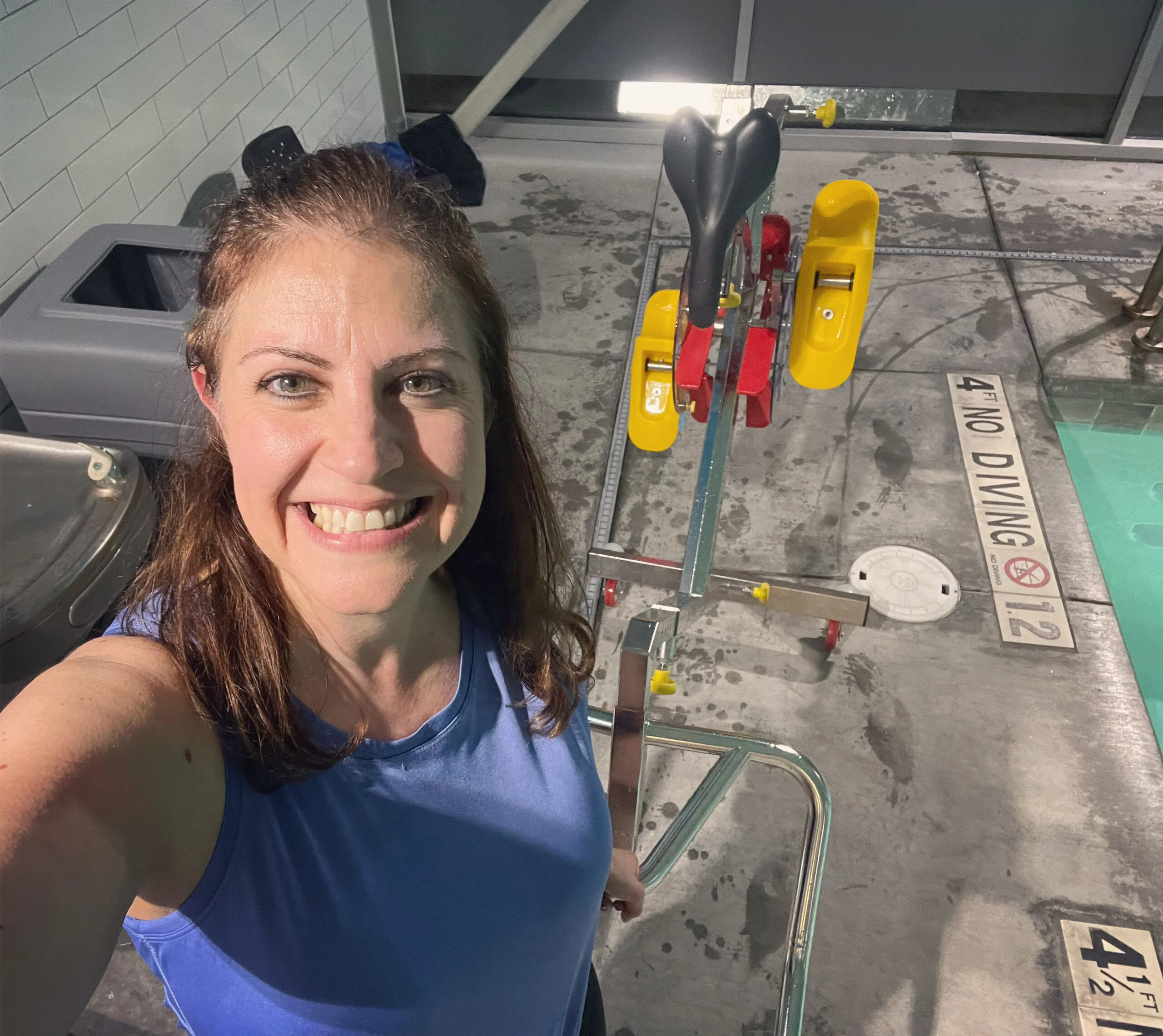
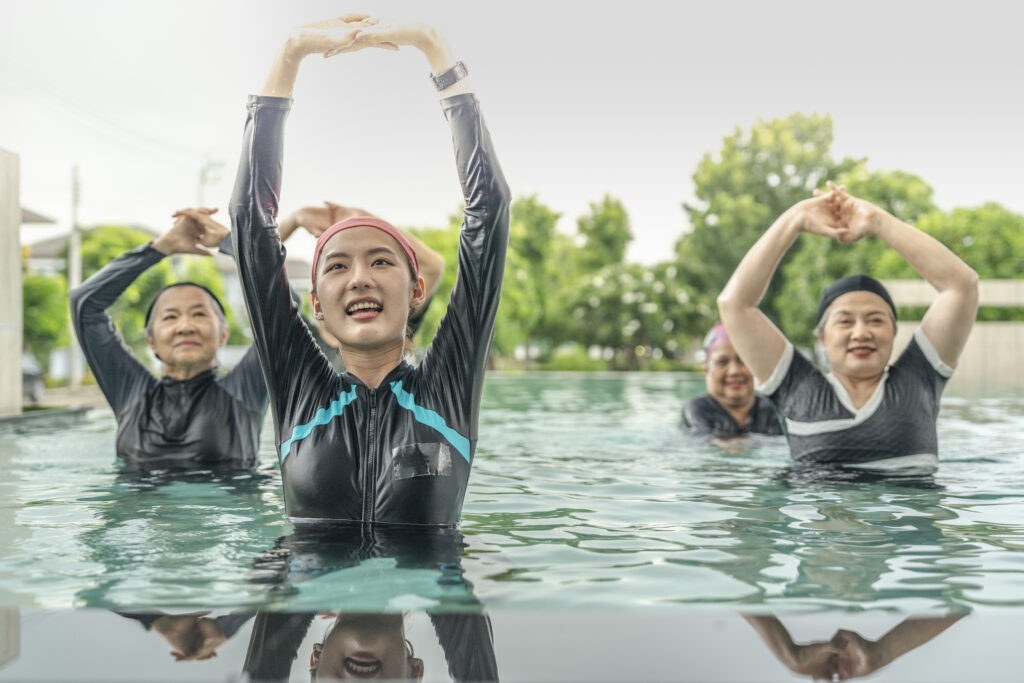
A few months later, I discovered Aquabike classes. What began as a fitness activity quickly became a powerful part of my recovery. The classes provided structure, confidence, and a healthy outlet for emotions I had carried for years. They helped me reconnect with my body and reminded me that strength still existed within me.
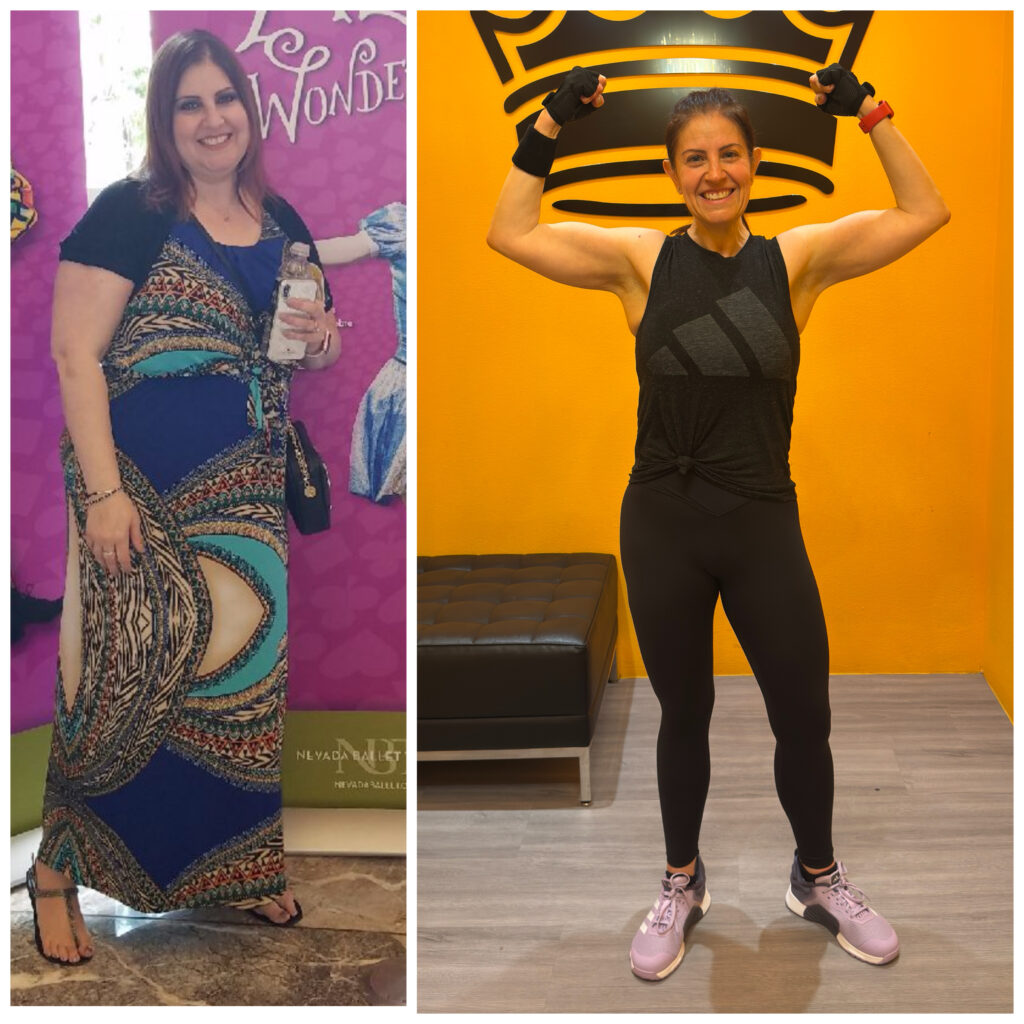
Within ninety days, I noticed remarkable changes. My energy improved. My mind felt clearer. My confidence returned. Most importantly, I felt emotionally stronger. Not because my pain had disappeared, but because I was finally addressing it instead of avoiding it.
Six months later, I became a certified Aquabike fitness instructor. That accomplishment represented far more than professional success. It symbolized resilience, growth, and healing. It proved that even after years of heartbreak and emotional exhaustion, transformation was possible.
Today, I understand something I wish I had learned much sooner. Healing is not about erasing the past or pretending pain never happened. It is about facing your wounds with honesty so they no longer control your future.
I didn’t know how broken I was until I tried to heal. But through that healing process, I discovered something even more important. I was never truly broken beyond repair. I was wounded, exhausted, and carrying more pain than I realized. Yet beneath all of that was strength, resilience, and the ability to rebuild.
And once I finally gave myself permission to heal, I discovered a version of myself stronger than I ever imagined possible.