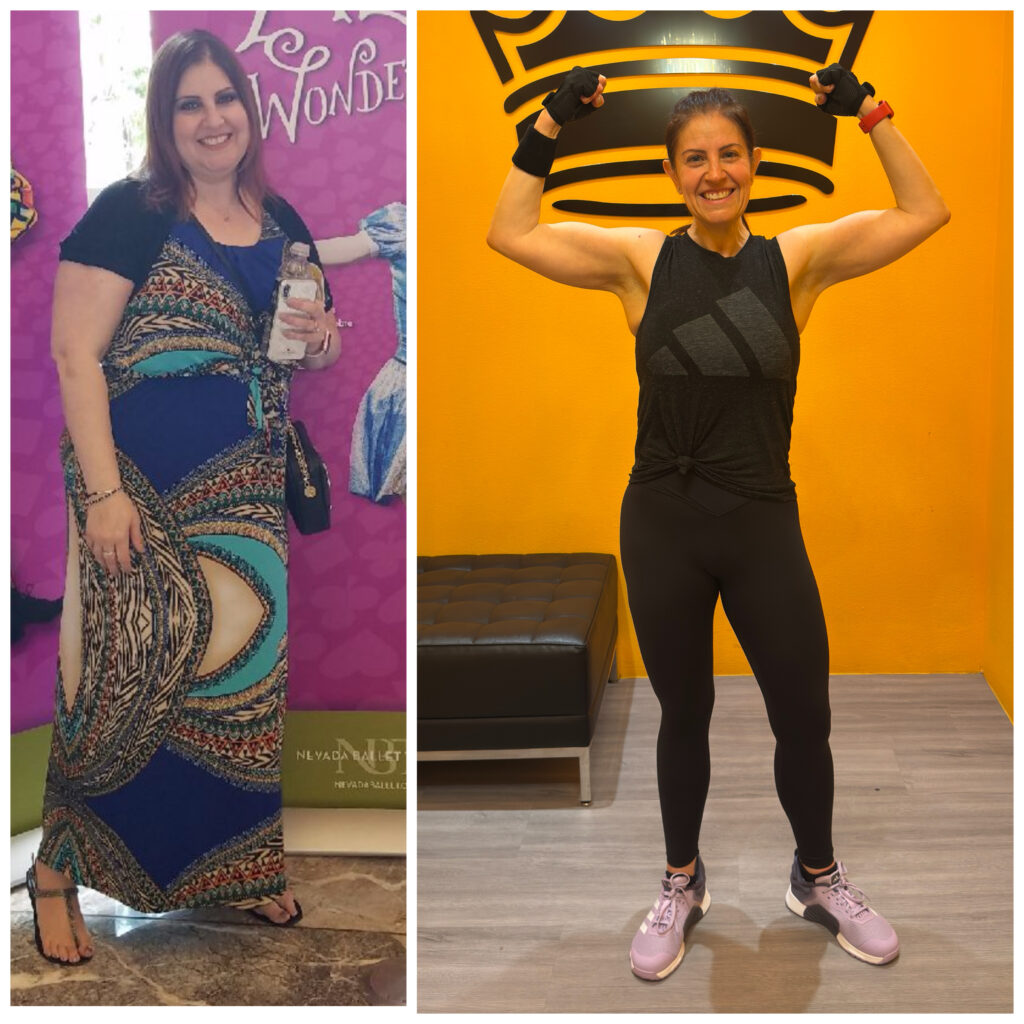


Building Confidence After Losing Control
Losing control is one of the hardest experiences to endure. At first, it feels like the ground beneath you has vanished. Every plan, every expectation, every carefully constructed routine collapses, and you’re left in the middle of chaos, unsure which way is up. I know because I’ve been there. There were moments when I felt powerless, like life was dictating every move, and I couldn’t catch a single breath without fear or doubt pressing down on me. Confidence, in those moments, felt impossible. How could I believe in myself when everything around me seemed to be falling apart?
At the beginning, I clung to control desperately. I thought if I could just manage every detail, make every decision perfectly, and anticipate every outcome, I could regain what I had lost. But no amount of planning or overthinking could stop life from throwing unexpected challenges my way. The harder I tried to hold onto control, the more it slipped through my fingers. I was exhausted, frustrated, and, most painfully, disappointed in myself for failing to keep it all together. Confidence doesn’t grow when you’re constantly fighting against reality—it shrinks, leaving only self-doubt in its place.
The turning point came unexpectedly. One day, I realized that trying to regain control was draining the last bit of energy I had. I paused and asked myself a simple question: What if confidence doesn’t come from controlling everything, but from learning how to navigate uncertainty? At first, that idea felt foreign, almost uncomfortable. I had spent so long associating confidence with mastery and perfection that the thought of finding it through vulnerability and adaptability was almost frightening. But slowly, I began to see a different path.
Confidence after losing control isn’t about pretending to have all the answers. It’s about accepting the unpredictability of life and trusting yourself to respond with clarity and resilience. It’s about recognizing that even when things fall apart, you still have the ability to choose your next step. I started small. I let go of the urge to micromanage every detail in my daily life. I made decisions without needing absolute certainty. I allowed myself to fail in small ways without harsh judgment. Each small act of courage, each step into uncertainty, became a building block for confidence I hadn’t realized I still had.
What surprised me most was how quickly my perspective shifted once I let go of total control. Instead of feeling powerless, I felt capable. Instead of fearing mistakes, I embraced them as learning opportunities. Instead of being paralyzed by unpredictability, I became curious about what might unfold. Confidence wasn’t about controlling outcomes—it was about trusting myself to handle whatever came my way. This mindset freed me from the anxiety that had ruled so many years of my life and allowed me to reclaim my energy, creativity, and joy.
I also learned that confidence grows through self-compassion. After losing control, it’s easy to spiral into self-criticism, replaying every choice you think you got wrong. But harshness only erodes your sense of self-worth. By being kind to myself, acknowledging that mistakes are part of being human, and giving myself permission to feel uncertain, I found my confidence not in perfection, but in resilience. I began celebrating small victories—navigating a difficult conversation, making a tough decision, taking a break when I needed it—and each victory reinforced the belief that I was capable, even when life was unpredictable.
Another lesson I learned is that support matters. Confidence after losing control doesn’t require you to do everything alone. Leaning on friends, mentors, or even professional guidance gave me perspective and reminded me that asking for help isn’t weakness. It’s part of the process of reclaiming trust in yourself and your abilities. By building a support system, I realized that confidence is strengthened when you acknowledge both your limits and your capacity to grow.
Over time, I noticed how much lighter and freer life felt. I was no longer measuring my worth by how tightly I could control outcomes or how perfectly I could predict the future. Instead, I was measuring it by my ability to respond thoughtfully, adapt quickly, and honor my values and emotions in the moment. Each challenge became a chance to practice confidence, each unexpected twist a reminder that I had the inner strength to handle it. What once seemed terrifying—losing control—became a powerful teacher.
Looking back, losing control was painful, yes, but it was also transformative. It forced me to confront the parts of myself I had ignored, to develop trust in my instincts, and to recognize that confidence isn’t given—it’s built, brick by brick, through experience, reflection, and persistence. I learned that control is an illusion, but self-trust is real, tangible, and renewable. By embracing uncertainty, allowing vulnerability, and practicing self-compassion, I not only rebuilt my confidence—I strengthened it in ways I never could have imagined when I was clinging so tightly to control.
Today, I still face moments of unpredictability. Life will always have its surprises, its setbacks, its unexpected twists. But I face them differently now. Confidence isn’t a fragile thing that disappears when the world shifts; it’s a living, growing part of me that thrives on courage, resilience, and adaptability. Losing control didn’t break me—it taught me how to believe in myself again. And building confidence in the aftermath of chaos is one of the most empowering journeys I’ve ever taken.