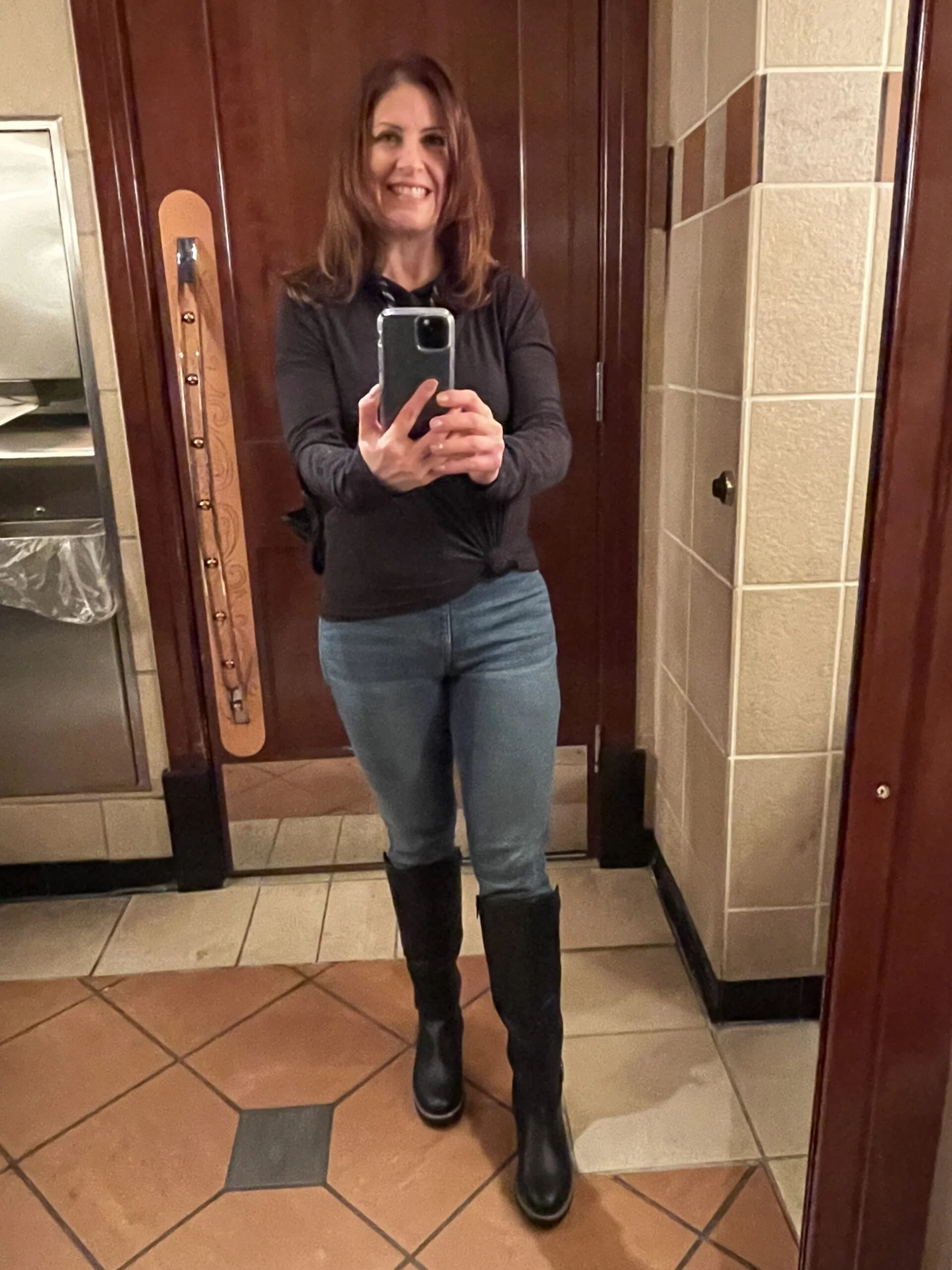
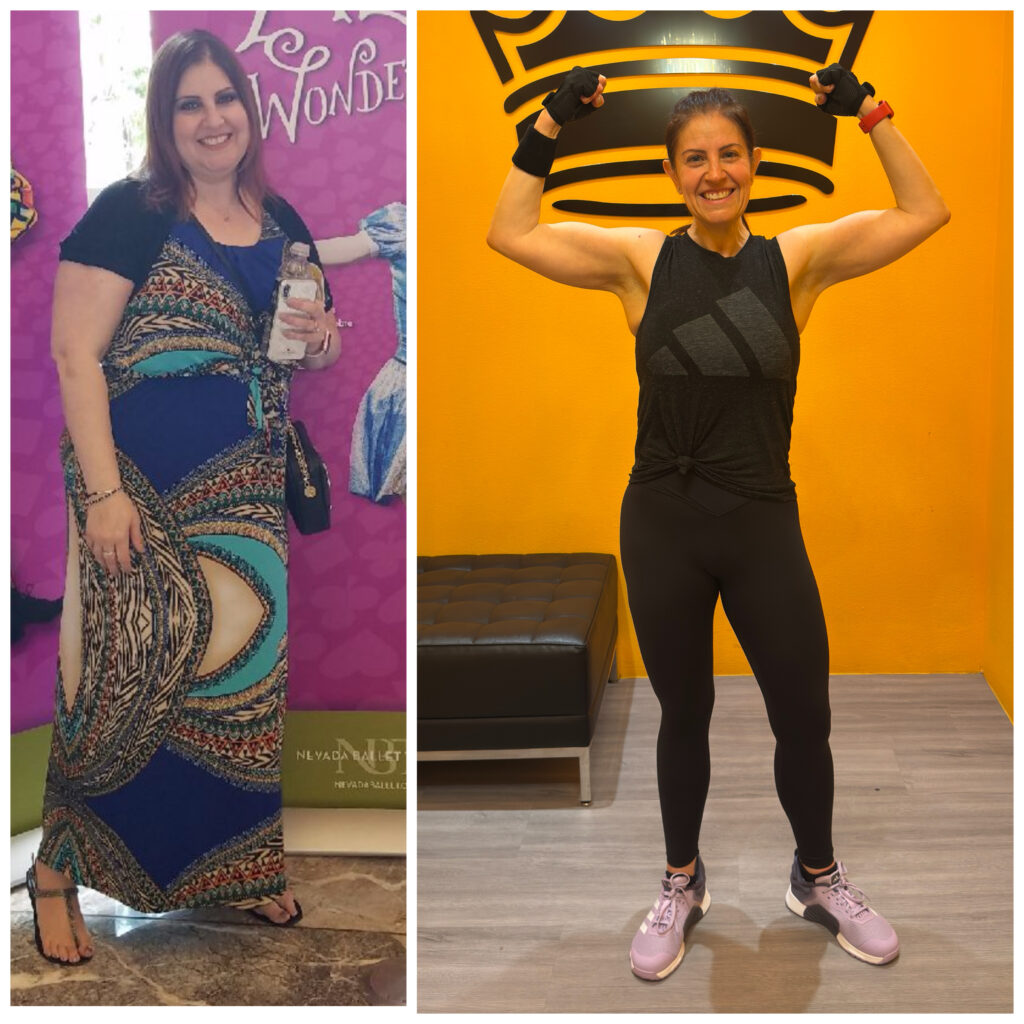
My 70-Pound Weight Loss Started With Emotional Healing, Not Dieting
For years, I believed that my weight was the main problem in my life. I thought that if I could just lose weight, everything else would fall into place—my confidence, my happiness, my energy, and even my sense of purpose. Like many people, I searched for the perfect diet, the most effective workout plan, and the quickest way to see results. I told myself that I just needed more discipline, more control, and more willpower. But no matter how many times I started over, the results never lasted. I would make progress, then fall back into old habits, and the cycle would repeat. It was frustrating, exhausting, and discouraging. What I didn’t understand at the time was that my weight was never the real issue—it was a symptom of something much deeper.
Behind my struggles with weight was years of emotional pain that I had never fully processed. I had gone through stress, anxiety, grief, and life experiences that left a lasting impact on my mental and emotional health. Instead of dealing with those feelings, I found ways to cope that gave me temporary comfort. Food became one of those coping mechanisms. It wasn’t just about hunger—it was about soothing emotions I didn’t know how to handle. I didn’t realize it then, but my relationship with food was closely tied to my emotional state. Until I addressed that connection, no diet was ever going to truly work for me.
My turning point didn’t come from discovering a new diet or committing to a strict fitness routine. It came from a moment of honesty with myself. I had to admit that I wasn’t okay, and that I had been avoiding the real issues for a long time. That realization was difficult, but it was also freeing. For the first time, I understood that if I wanted lasting change, I needed to start from within. Instead of focusing only on weight loss, I decided to focus on emotional healing.
I began by paying attention to my thoughts and feelings. I started recognizing patterns—when I felt stressed, overwhelmed, or disconnected, I would turn to habits that didn’t truly support me. This awareness was powerful because it helped me understand the “why” behind my actions. I didn’t try to fix everything overnight. Instead, I took small, intentional steps. I worked on changing how I spoke to myself, replacing negative thoughts with more supportive ones. I practiced self-compassion, something that felt unfamiliar at first but became essential over time.
At the same time, I began to improve my daily habits in a way that felt sustainable. I shifted my approach to nutrition, focusing on nourishing my body rather than restricting it. I stopped thinking of food as something to control and started seeing it as something that could support my healing. This mindset shift made a huge difference because it removed the pressure and allowed me to build a healthier relationship with food.
Movement also became an important part of my journey, but not in the way I had approached it before. In the past, I saw exercise as a way to burn calories or punish myself for what I ate. This time, I chose a different perspective. I started moving my body as a way to reconnect with myself. At first, it was simple—short sessions, low pressure, and no expectations. But as I stayed consistent, it became something I genuinely enjoyed. It helped me release stress, clear my mind, and feel stronger both physically and mentally.
As weeks turned into months, I began to notice changes. My energy levels improved, my mindset became more positive, and I felt more in control of my actions. The weight started to come off, but it didn’t feel forced or rushed like before. It felt like a natural result of the changes I was making in my life. This time, the progress felt sustainable because it was built on a strong foundation of healthy habits and emotional awareness.
Over time, I lost 70 pounds, but the number itself was not the most important part of my journey. What truly mattered was the transformation that happened within me. I became more disciplined, more self-aware, and more connected to myself than I had ever been before. I learned how to manage my emotions without relying on unhealthy coping mechanisms. I built habits that supported my well-being instead of working against it. Most importantly, I discovered that real change doesn’t come from quick fixes—it comes from consistent effort and a willingness to grow.
Looking back, I realize that my journey was never just about weight loss. It was about healing the parts of myself that I had ignored for so long. It was about learning how to take care of myself in a way that was sustainable and meaningful. It was about creating a life that felt balanced, healthy, and aligned with who I truly am.
If you are struggling with weight loss and feel like nothing is working, it might be time to look deeper. The solution may not be another diet or a stricter routine. It may be understanding what is happening beneath the surface. When you start with emotional healing, everything else begins to fall into place. Weight loss becomes a byproduct of a healthier lifestyle, not the sole focus.
My 70-pound weight loss did not start with dieting. It started with emotional healing, self-awareness, and the decision to take care of myself from the inside out. And that is what made the change last.