Introduction
Smart Trainer & Smart Workout: How Modern Aquatic Training Shapes Careers
The fitness industry has evolved dramatically in recent years. Among the most innovative developments is modern aquatic training, which combines advanced techniques, technology, and specialized workouts to create highly effective, low-impact fitness programs. For fitness professionals, embracing this evolution isn’t just about learning new exercises—it’s about building a career that is sustainable, rewarding, and in high demand.
In this article, we explore how smart trainers and smart workouts in aquatic fitness are reshaping careers, offering opportunities for trainers, therapists, and fitness enthusiasts alike.
The Rise of Modern Aquatic Training
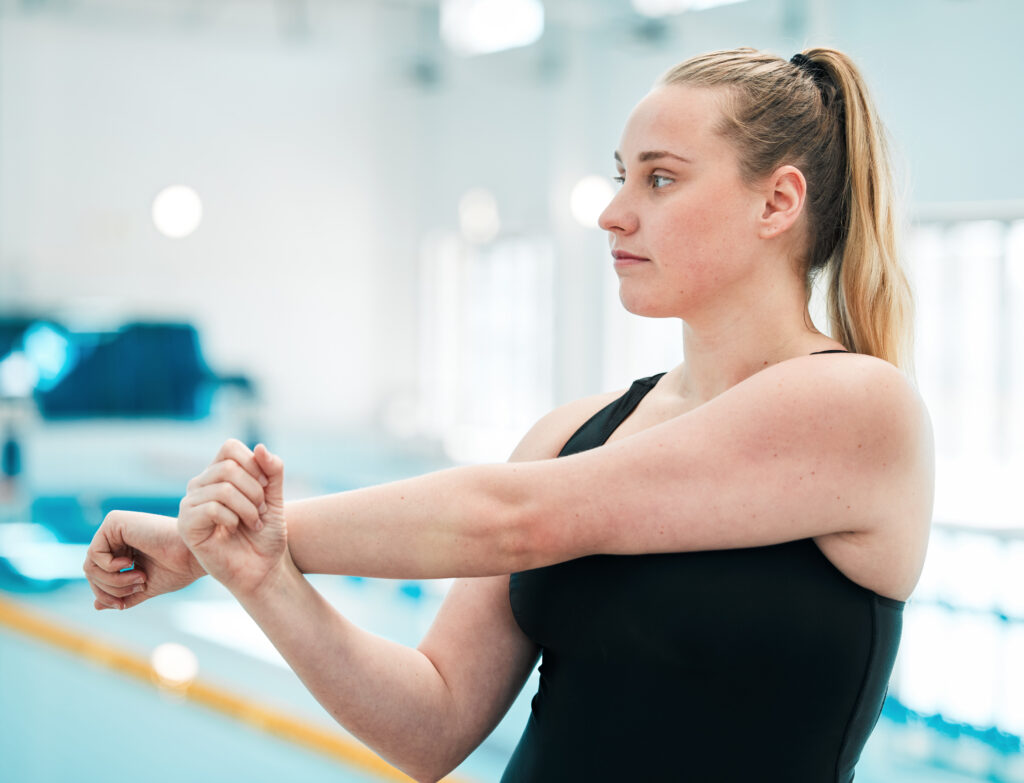
Aquatic training has come a long way from traditional water aerobics. Today, it incorporates:
Smart equipment: resistance bikes, underwater treadmills, and weighted tools.
Personalized programs: using data and assessments to tailor workouts to individual goals.
Diverse modalities: including deep-water training, AquaHIIT, and AquaGym.
Technology integration: wearable trackers, apps, and virtual coaching.
This modernization has made aquatic fitness more appealing, effective, and versatile than ever before. It also opens career doors for professionals willing to learn, adapt, and specialize.
Smart Trainer: The Professional Edge
A smart trainer is more than a fitness instructor—they are a professional who combines knowledge, experience, and technology to deliver precise, effective, and safe workouts.
Key Skills of a Smart Trainer
Understanding aquatic biomechanics
Designing personalized training plans
Utilizing smart equipment and wearables
Coaching clients with real-time feedback
Incorporating rehabilitation and therapy techniques
By mastering these skills, trainers not only enhance client outcomes but also increase their own value in the fitness market. Smart trainers are in demand in gyms, aquatic centers, rehabilitation facilities, and even remote virtual programs.
Smart Workout: Personalized, Data-Driven Training
Modern aquatic workouts rely on science, technology, and personalization. These are sometimes referred to as smart workouts, and they can include:
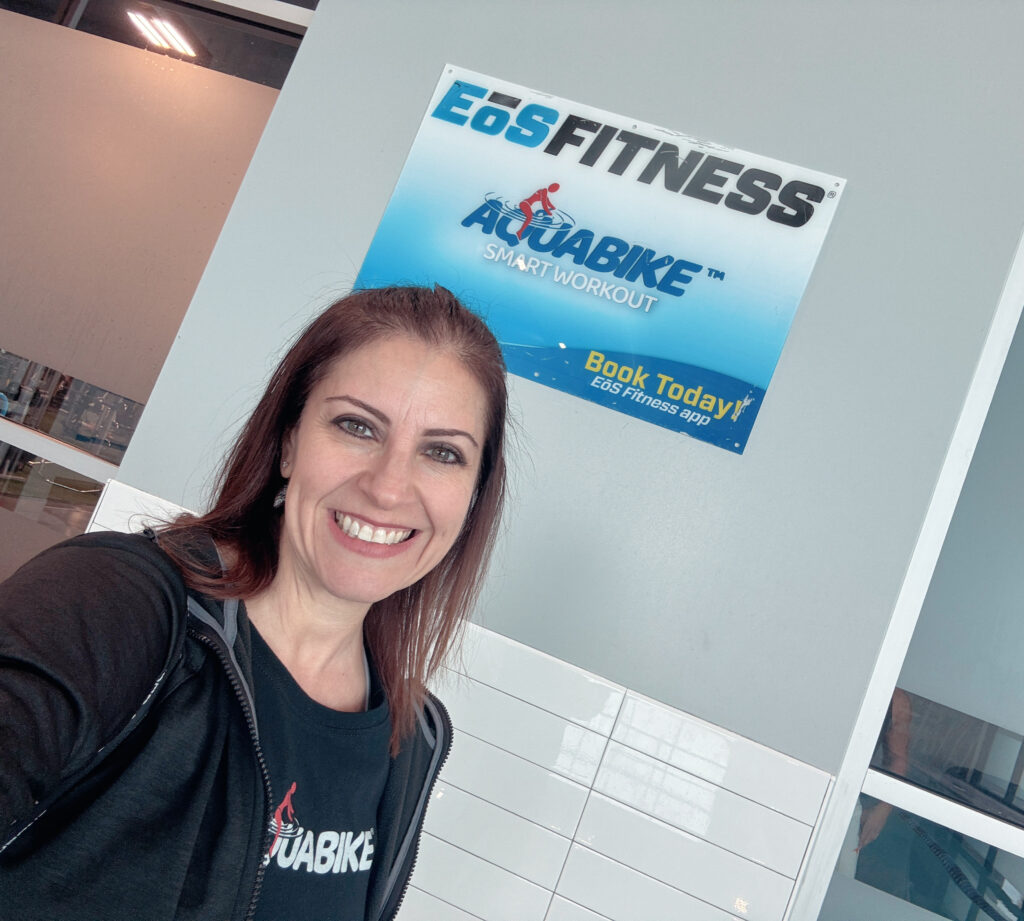
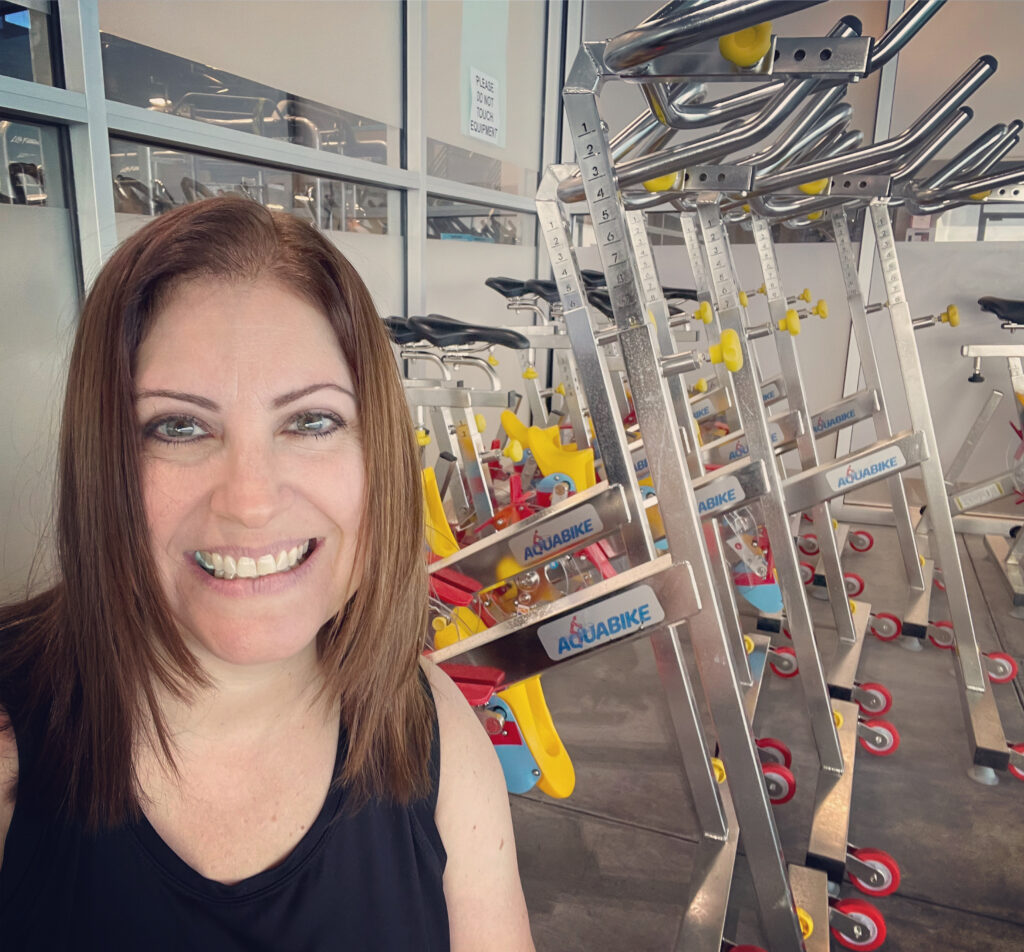
Aquabike sessions with adjustable resistance based on client performance
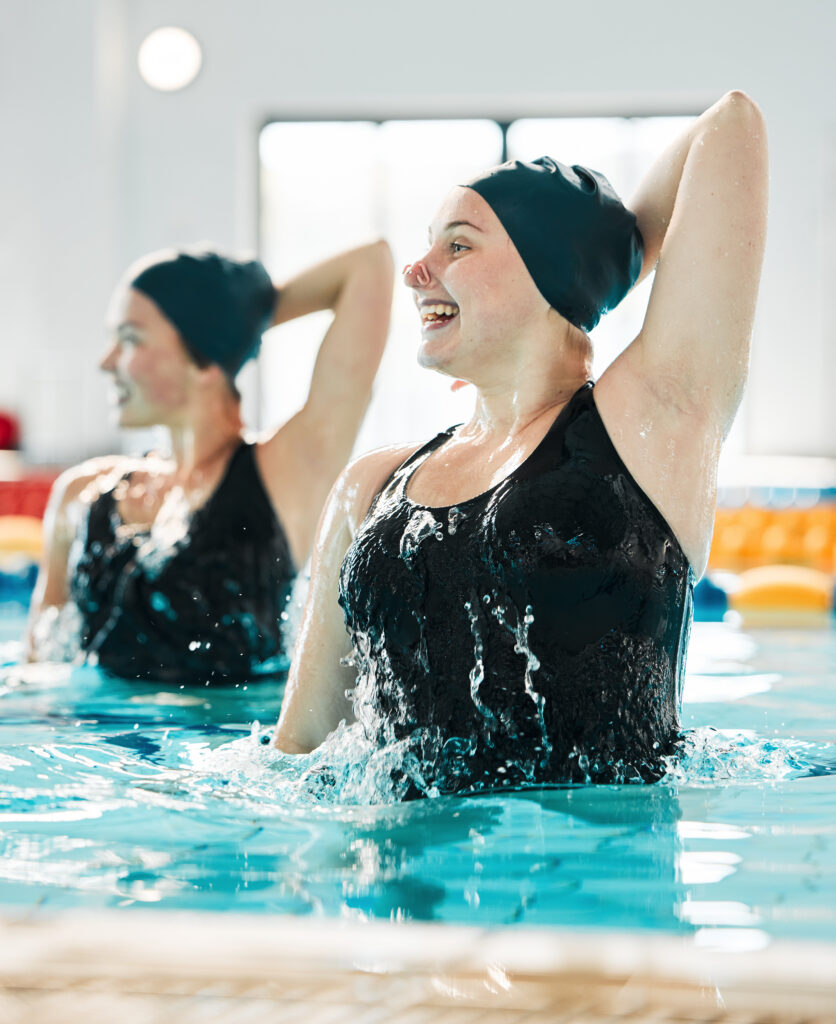
AquaGym circuits using water dumbbells, noodles, and resistance gloves
Deep-water HIIT with interval tracking for maximum calorie burn
Hydrotherapy exercises for injury recovery or mobility improvement
Smart workouts track metrics such as heart rate, calories burned, and movement patterns, allowing trainers to optimize results while keeping clients motivated and safe.
Career Opportunities in Modern Aquatic Fitness
The demand for skilled aquatic trainers is growing rapidly. Careers in this field offer diverse options, including:
1. Aquatic Fitness Instructor
Leading group classes such as AquaGym, Aquabike, or AquaHIIT for gyms, pools, and fitness studios.
2. Personal Aquatic Trainer
Designing individualized workouts for weight loss, rehabilitation, or athletic conditioning.
3. Aquatic Therapy Specialist
Working with patients recovering from injury, surgery, or chronic conditions, often in partnership with physiotherapists.
4. Senior & Special Population Trainer
Creating gentle, safe programs for seniors or individuals with limited mobility.
5. Aquatic Program Coordinator or Director
Managing schedules, instructors, and overall aquatic programs in fitness centers, resorts, or wellness facilities.
By combining certifications, technology skills, and practical experience, trainers can build careers that are both flexible and financially rewarding.
Certifications: Building Credibility and Expertise
To excel as a smart trainer, certifications are essential. Reputable programs include:
AEA Aquatic Fitness Professional (AFP)
ACE Aquatic Fitness Specialist
AFAA Aquatic Fitness Certification
Red Cross Water Safety Instructor (WSI) & CPR
Certifications ensure trainers understand aquatic anatomy, safety protocols, class design, and client management. When combined with knowledge of smart equipment and technology, certifications set trainers apart from the competition.
Technology: The Modern Trainer’s Secret Weapon
Modern aquatic training increasingly integrates technology to improve results and engagement:
Wearables: Track heart rate, movement, and calories in real-time.
Underwater sensors: Monitor posture, stroke efficiency, and movement patterns.
Apps & Virtual Platforms: Offer remote coaching, feedback, and progress tracking.
Adjustable Smart Equipment: Resistance can be modified digitally based on client performance.
Trainers who embrace technology can enhance the client experience, demonstrate measurable results, and expand their services beyond traditional pool settings.
Why Smart Trainers Are in High Demand
Several factors contribute to the rising demand for smart trainers:
Growing popularity of aquatic fitness: People are seeking low-impact, effective workouts.
Aging population: Seniors need safe, joint-friendly training options.
Rehabilitation & therapy needs: Water reduces injury risk while improving mobility.
Data-driven clients: Modern clients expect measurable results and tailored programs.
Hybrid & virtual training trends: Trainers can reach more clients remotely.
By positioning themselves as knowledgeable, tech-savvy, and compassionate, smart trainers can attract clients, retain them longer, and command premium rates.
The Emotional Impact of Modern Aquatic Training
While physical results are important, modern aquatic training also transforms clients emotionally:
Boosts confidence and self-esteem
Reduces stress and anxiety
Provides a sense of accomplishment
Encourages consistency through enjoyable, safe workouts
Trainers who focus on the emotional as well as physical benefits create lasting client relationships, reinforcing career stability.
Conclusion: Dive Into a Rewarding Career
Smart trainers and smart workouts represent the future of aquatic fitness. They combine science, technology, and personalized coaching to deliver results, enhance safety, and improve client satisfaction.
For fitness professionals, this evolution is more than a trend—it’s an opportunity to build a flexible, in-demand, and fulfilling career in a growing industry. Whether you specialize in Aquabike, AquaGym, AquaHIIT, or aquatic therapy, embracing modern aquatic training opens doors to new opportunities, higher earnings, and meaningful work.
The pool is no longer just a space for exercise—it’s a career-launching platform. For trainers ready to learn, innovate, and inspire, the possibilities are endless.
Dive in, embrace smart training, and shape your career in the world of aquatic fitness.