
I Was Losing Myself in IVF—Until I Took My Life Back
There was a time when my entire world revolved around one thing—IVF. Every thought, every decision, every plan I made seemed to lead back to it. What started as hope slowly became something much heavier. I told myself I was being strong, that I was doing what I had to do, but deep down, I could feel something shifting. I wasn’t just going through a process—I was slowly losing pieces of myself along the way.
At the beginning, everything felt purposeful. There was structure, direction, and a sense that I was actively working toward something meaningful. I followed every instruction carefully, showed up for every appointment, and stayed committed even when it was difficult. I believed that if I just kept going, if I stayed patient and did everything right, it would all be worth it in the end. That belief kept me going, even on the hardest days.
But over time, the emotional weight began to build. The waiting, the uncertainty, the constant cycle of hope and disappointment—it started to take a toll on me in ways I didn’t expect. My mood changed, my energy dropped, and I became more anxious than I had ever been before. I found myself overthinking everything, constantly worrying about outcomes I couldn’t control. It was exhausting, not just physically, but mentally and emotionally.
What made it even harder was how much of myself I had tied to the process. I didn’t realize it at first, but my identity had slowly become connected to IVF. My sense of worth, my daily routine, even my thoughts about the future—all of it revolved around something that felt completely uncertain. I stopped focusing on the parts of my life that once brought me joy. I stopped prioritizing myself.
There were moments when I would pause and ask myself, “When was the last time I felt like me?” And the truth was, I couldn’t remember. I felt disconnected, like I was living on autopilot. I was showing up, doing what needed to be done, but I wasn’t truly present. I was surviving, not living.
The turning point didn’t come in a dramatic way. It came quietly, in a moment of reflection. I realized that while I had been fighting so hard for one part of my life, I had been neglecting everything else—including myself. That realization was difficult to face, but it was also necessary. For the first time, I allowed myself to admit that I needed something to change.
Taking my life back didn’t mean giving up. It didn’t mean that my journey suddenly became easy or that all my struggles disappeared. It meant shifting my focus. It meant choosing to take care of myself in a way I hadn’t before. It meant recognizing that my life was more than just one outcome.
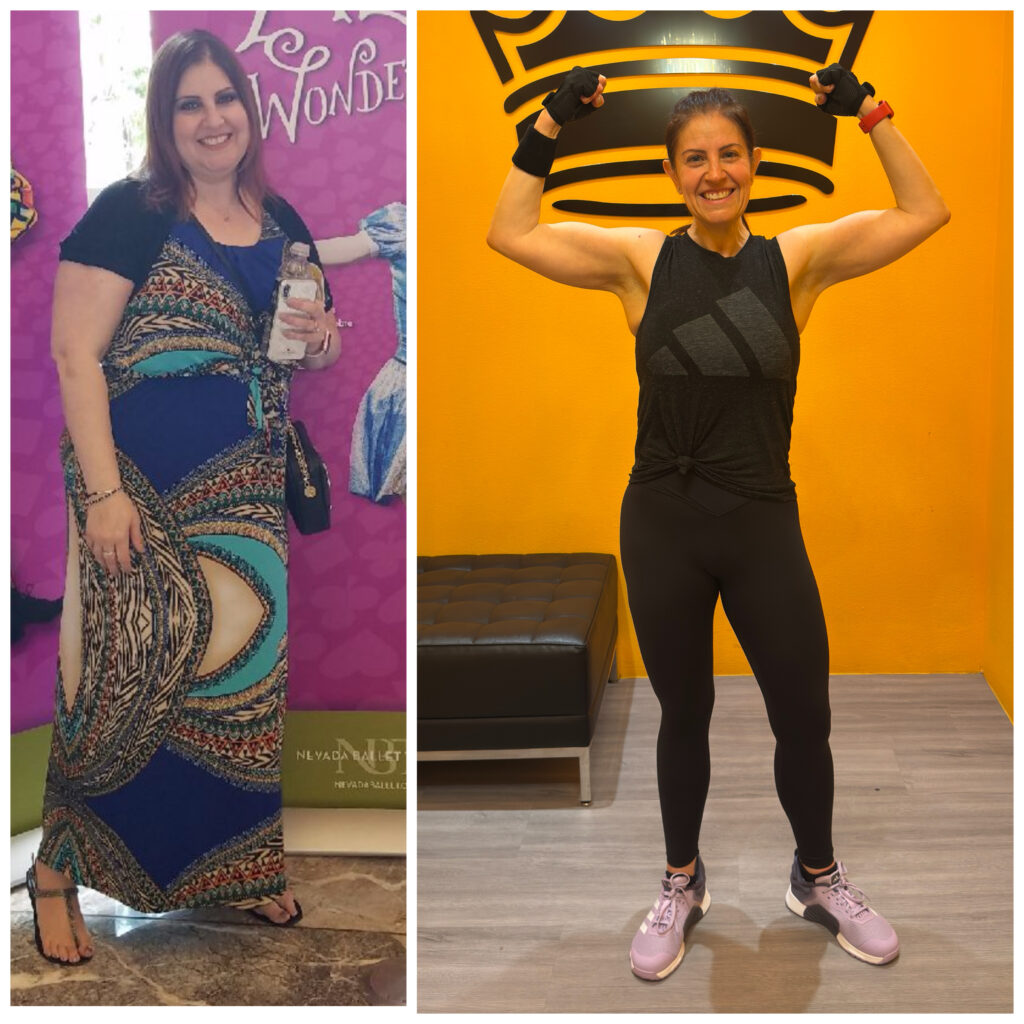
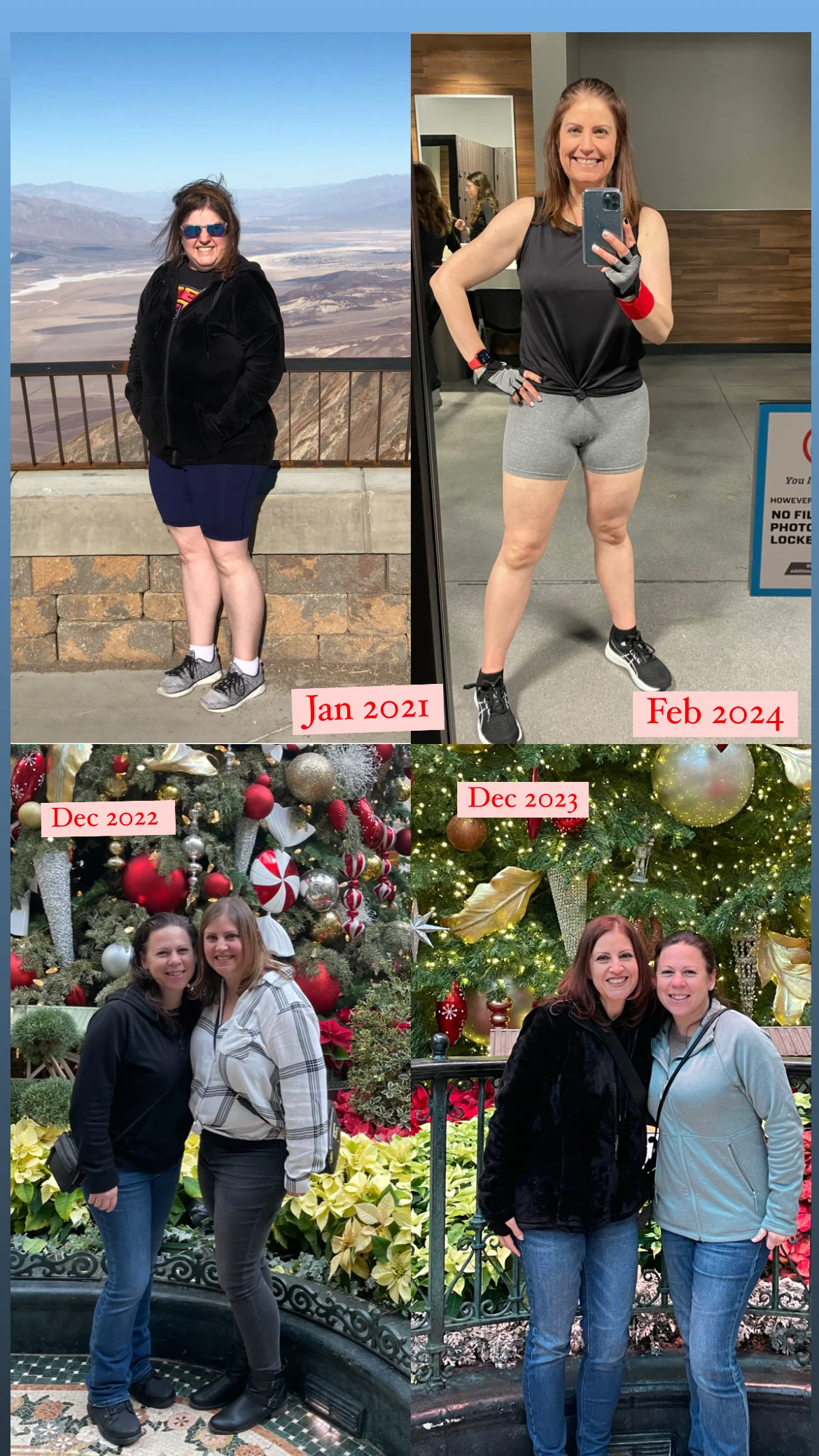
I started small. I began setting boundaries around how much of my time and energy I gave to IVF. I allowed myself to engage in activities that had nothing to do with it—things that reminded me of who I was outside of the process. I started moving my body again, not as a task, but as a way to reconnect with myself. I gave myself permission to rest, to breathe, and to exist without constantly feeling like I needed to be doing something.
At first, it felt unfamiliar. There was a part of me that felt guilty for stepping back, as if I wasn’t doing enough. But over time, I realized that taking care of myself wasn’t a distraction from my journey—it was a necessary part of it. I began to feel a sense of balance that I hadn’t felt in a long time.
Slowly, I started to come back to myself. My thoughts felt clearer. My emotions felt more manageable. I was no longer as consumed by fear and uncertainty. I still cared deeply about my journey, but it no longer defined every part of my life. I had created space for other things—joy, peace, and moments of calm that I had been missing for so long.
One of the most important lessons I learned through this experience is that it’s possible to hold onto hope without losing yourself. You can care deeply about something and still take care of your own well-being. You don’t have to sacrifice your identity, your happiness, or your sense of self in the process.
Looking back, I realize how easy it is to get caught up in something that feels so important. When you’re in it, it can feel like everything depends on it. But your life is bigger than any one journey, no matter how meaningful it is. You deserve to feel like yourself, to experience joy, and to live fully—even in the middle of uncertainty.
Taking my life back didn’t happen all at once. It was a gradual process, made up of small decisions and intentional choices. It was about learning to listen to myself, to recognize when I needed rest, and to give myself permission to step back when things felt overwhelming. It was about understanding that I am more than this one chapter of my life.
Today, I feel different. Not because everything is perfect, but because I am more connected to myself. I have learned how to navigate challenges without losing who I am. I have learned that strength isn’t just about pushing through—it’s also about knowing when to pause, when to adjust, and when to choose yourself.
If you are in a place where you feel like you are losing yourself, I want you to know that you are not alone. It’s okay to feel overwhelmed. It’s okay to question things. And it’s okay to take a step back and prioritize your well-being.
You don’t have to choose between your dreams and yourself. You can hold space for both. You can keep moving forward while also taking care of who you are in the process.
Taking your life back doesn’t mean walking away from your journey. It means showing up for it in a healthier, more balanced way. It means remembering that you matter too.
And sometimes, the most powerful thing you can do is choose yourself—again and again, no matter what.