
My ER Wake-Up Call After Years of IVF Treatments
I never imagined my seven-year IVF journey would end in an emergency room.
For years, I had convinced myself I was strong enough to handle it all — the injections, the surgeries, the hormone swings, the heartbreak. I told myself that this was the price of motherhood. That endurance meant commitment. That pushing through pain meant I wanted it badly enough.
What I didn’t realize was that my body was keeping score.
From 2015 onward, my life revolved around infertility treatments. Appointment calendars replaced normal routines. My refrigerator held hormone medications instead of groceries. My emotions rose and fell based on bloodwork results.
IVF is more than a medical process — it becomes your identity.
Over time, the toll became visible. Weight gain. Chronic fatigue. Anxiety that never really shut off. Sleep that felt shallow and restless. But I ignored the signs. I had a goal. I was fighting for a baby.
In 2019, I finally became pregnant. For nine weeks, I carried hope in my body. Then I lost my baby during a routine ultrasound. No heartbeat.
That loss cracked me open, but I didn’t stop. I stayed in treatment for three more years, determined to try again. I believed quitting would mean failure. I believed strength meant continuing, no matter the cost.
Meanwhile, I was also grieving the loss of my mother, who had passed away in 2017. Losing her while navigating infertility created a grief so layered, I barely knew which pain I was feeling at any given time.
Still, I pushed forward.
Until my body forced me to stop.
After years of hormone medications, I developed a severe allergic reaction. It escalated quickly — my skin reacted, my breathing felt tight, and I knew something wasn’t right. Within hours, I was in the ER.
The hospital lights were harsh. The questions from nurses felt routine to them, but they landed differently for me.
“How long have you been on these medications?”
“Have you experienced ongoing stress?”
“When was your last full health evaluation?”
Sitting there, connected to monitors, I felt a wave of clarity that no doctor could prescribe.
I had spent seven years fighting for motherhood.
Seven years injecting my body with synthetic hormones.
Seven years riding emotional rollercoasters.
Seven years postponing my own health in pursuit of a dream.
And in that moment, I realized something devastating:
I was losing myself.
The ER wasn’t dramatic in a cinematic way. There was no life-threatening diagnosis. But it was serious enough to be a warning. My body had reached its limit. The allergic reaction was the final alarm after years of quiet signals I had ignored.
For the first time, I allowed myself to ask the question I had avoided:
What if I can’t keep doing this?
The answer terrified me.
Letting go of IVF felt like surrender. It felt like admitting that motherhood might not be my path. It felt like grieving my baby all over again.
But sitting in that hospital bed, I also understood something else:
If I continued on the same path, I might not have the health to enjoy any future I built.
The ER became my wake-up call.
Not because it was catastrophic — but because it was honest.
I had been surviving, not living. I had been measuring my worth by a role I hadn’t attained. I had been sacrificing my physical and mental health in the name of hope.
Hope without boundaries had become self-destruction.
On November 27, 2022, I made a decision.
I chose to stop fighting for motherhood and start fighting for myself.
That decision didn’t erase the grief. It didn’t magically heal my heart. But it redirected my energy.
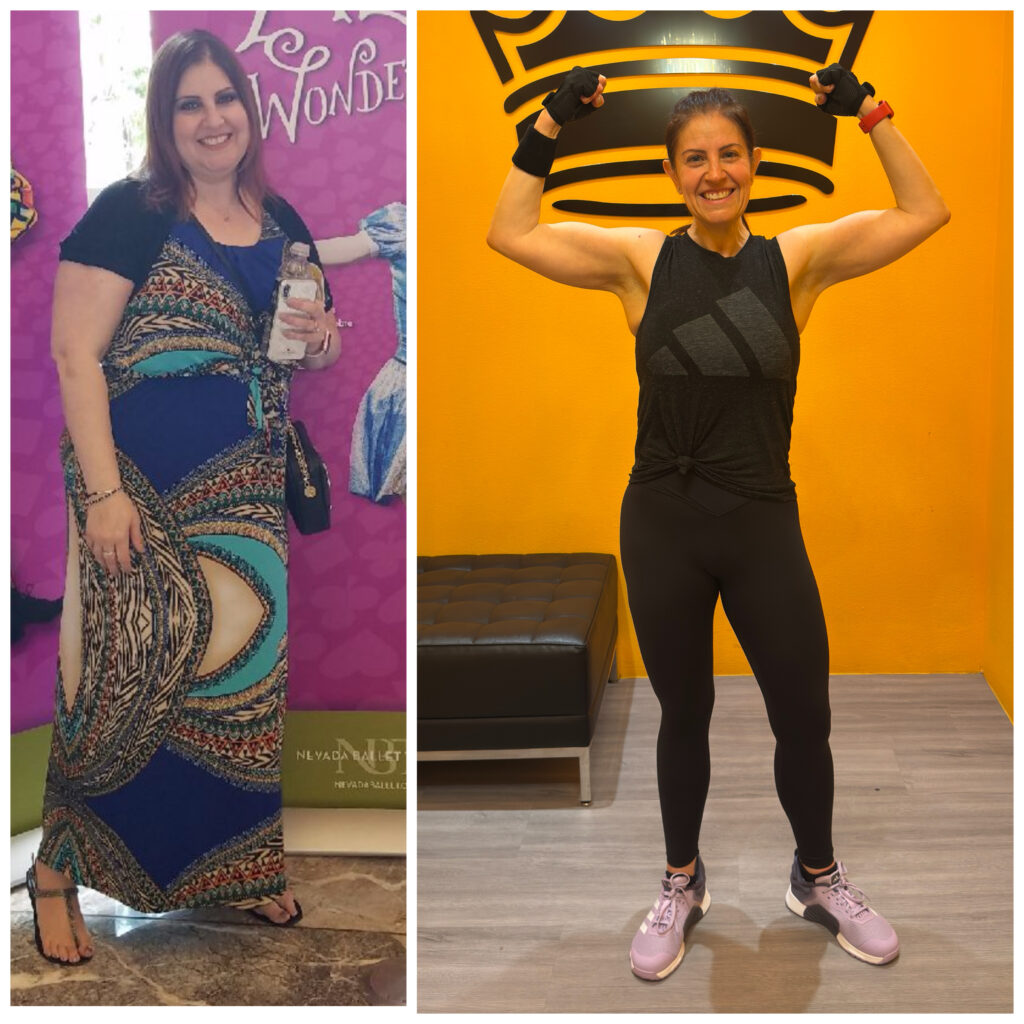
I began by repairing my relationship with my body. I worked with a dietitian to undo years of emotional eating and inflammation caused by stress and hormone treatments. I committed to a 28-day medically monitored detox and felt clearer than I had in years.
In January 2023, I joined a gym. Not because I loved fitness — but because I needed structure and accountability. I worked with a personal trainer weekly. Some days I dreaded it. Some days I cried in the parking lot.
But I showed up.
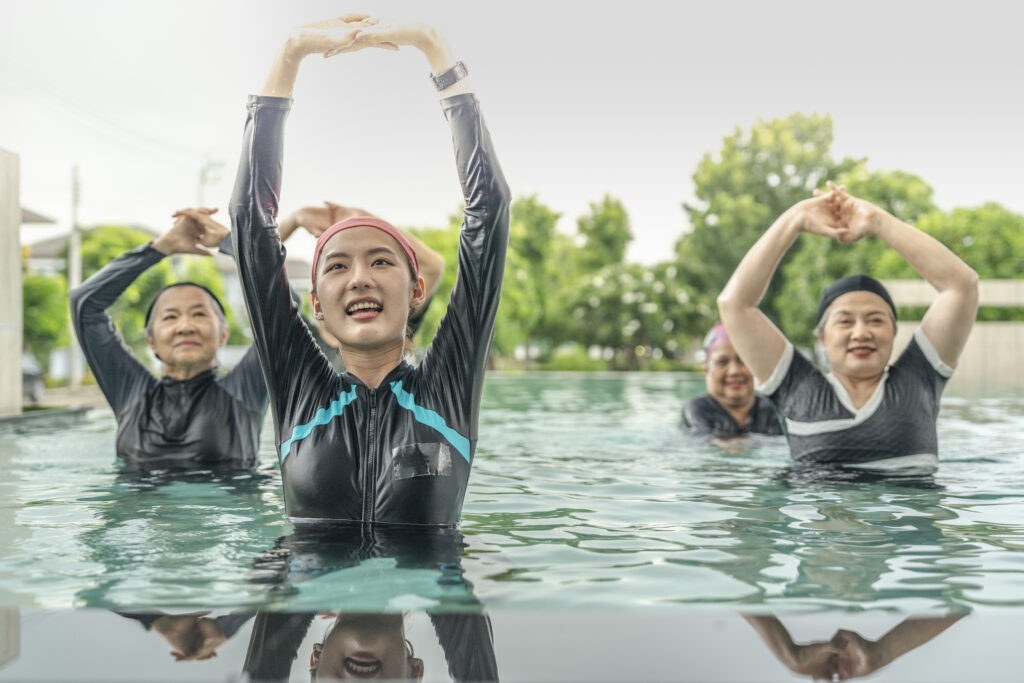
In May 2023, I discovered Aquabike and found something unexpected — joy. Movement stopped feeling like punishment and started feeling like empowerment. Over time, my weight dropped. My sleep improved. My anxiety lessened.
But the biggest shift wasn’t physical.
It was mental.
The ER taught me that my body was not my enemy. It had been trying to protect me. The allergic reaction wasn’t betrayal — it was a boundary.
Today, I look back at that hospital room with gratitude.
It was the moment I stopped measuring my life by what I didn’t have.
It was the moment I realized my health mattered more than any diagnosis.
It was the moment I understood that strength is not about enduring endlessly — it’s about knowing when to change direction.
My ER wake-up call didn’t give me the family I once imagined.
But it gave me something equally powerful.
Myself.
How Fitness Helped Heal My Broken Heart
How Fitness Helped Heal My Broken Heart For a long time, I thought healing meant