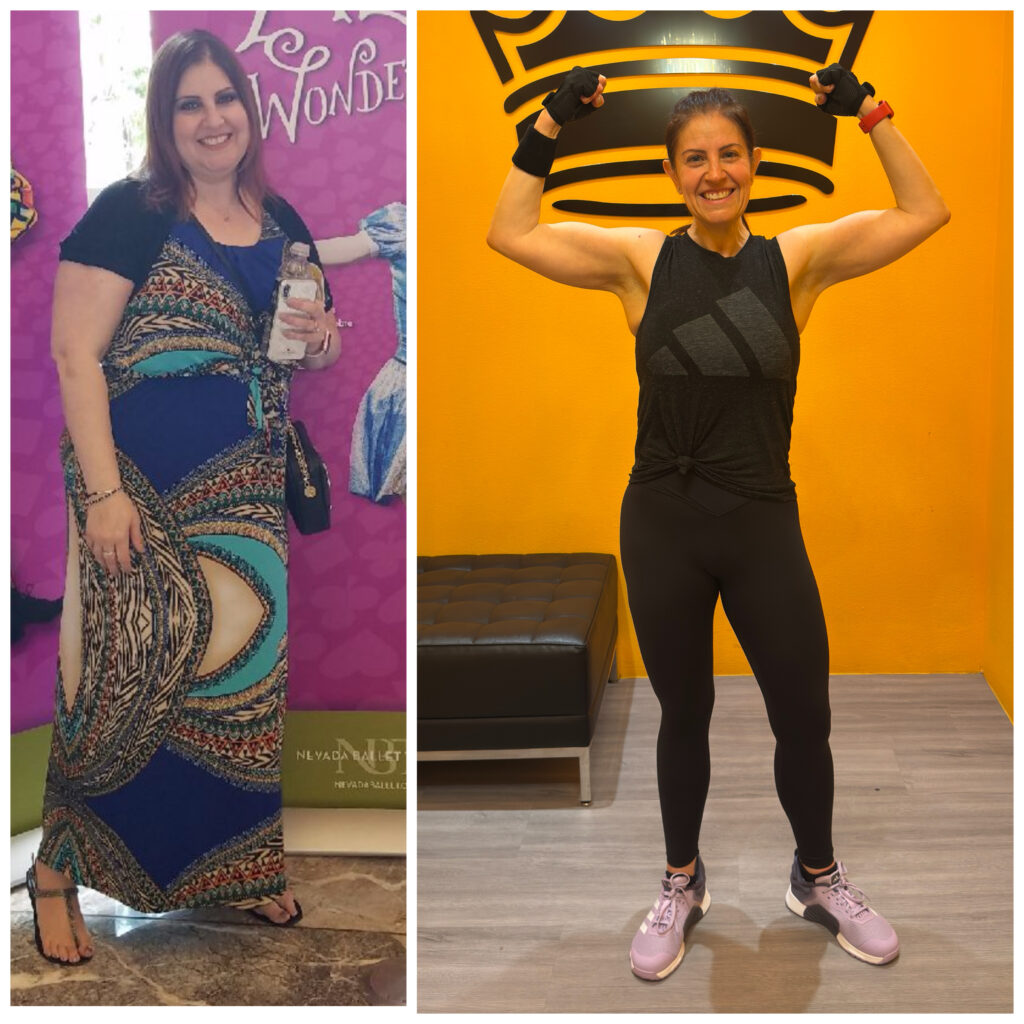


The Weight I Carried Wasn’t Just on My Body
For years, I believed the heaviest thing about me was my body.
That’s what the mirror showed. That’s what the scale confirmed. That’s what the whispers in my own mind repeated every morning.
But the truth? The real weight I carried was invisible.
It lived in my chest.
It sat on my shoulders.
It followed me into every room.
And it had nothing to do with numbers.
The weight began quietly. A disappointment here. A heartbreak there. A dream that didn’t unfold the way I had imagined. I told myself I was strong. I told myself I could handle it. I told myself everyone goes through hard seasons.
So I kept going.
I smiled when people expected me to smile. I showed up when I felt empty. I celebrated others while quietly grieving what I had lost. I convinced myself that endurance was the same as healing.
It wasn’t.
Instead of processing the pain, I stored it. Every unanswered prayer, every silent tear, every “why me?” got tucked away inside me. And slowly, that emotional weight began to shape my physical body.
Food became comfort. Rest became escape. Movement became optional.
I wasn’t lazy. I was exhausted — emotionally.
There’s a difference.
I didn’t realize how deeply my grief had rooted itself until one day I caught my reflection and didn’t recognize the woman staring back. Not because of how she looked, but because of how defeated she felt.
Her eyes were tired.
Not sleepy — tired of hoping.
That moment shook me.
For a long time, I believed that if I could just fix my body, everything else would fall into place. Lose the weight. Follow the diet. Stay consistent. Be disciplined.
But discipline is difficult when your heart is heavy.
No one talks about how grief changes your nervous system. How chronic stress drains your motivation. How sadness can make simple decisions feel overwhelming.
I wasn’t just fighting weight gain.
I was fighting disappointment.
I was fighting comparison.
I was fighting the version of life I thought I would have by now.
And that’s heavier than any number on a scale.
The turning point didn’t come with a dramatic event. There was no movie moment. No grand speech. No overnight transformation.
It came quietly.
One morning, I sat with myself — no distractions, no scrolling, no pretending — and I admitted something I had avoided for years:
I was hurting.
And I had been punishing my body for pain my heart never processed.
That realization changed everything.
Instead of asking, “How do I lose weight?” I started asking, “What am I carrying?”
Instead of pushing harder, I began listening deeper.
I began to see movement differently. It wasn’t about shrinking myself. It was about releasing what I had been holding in. Every walk became a conversation with my thoughts. Every workout became an act of self-respect, not self-hate.
I stopped exercising to escape my body.
I started moving to reconnect with it.
There were days I cried mid-workout.
Days I wanted to quit.
Days the old voice whispered, “What’s the point?”
But I kept showing up.
Not perfectly.
Not impressively.
Just consistently.
And something unexpected happened.
The emotional weight began to lift before the physical weight did.
I slept better.
I reacted calmer.
I spoke kinder to myself.
I realized the heaviness I carried wasn’t weakness. It was unprocessed pain. And pain demands attention — not shame.
The more I healed internally, the more my body responded externally. Not dramatically. Not magically. But steadily.
Strength replaced survival.
Energy replaced exhaustion.
Hope replaced resentment.
And for the first time in years, I felt lighter — not just in my body, but in my spirit.
Looking back, I understand now that my body was never the enemy. It was the messenger. It was holding what I didn’t have the courage to confront.
When I finally chose to face my grief instead of burying it, everything shifted.
Healing didn’t happen overnight. It still hasn’t. But now I know this:
The scale only measures mass.
It doesn’t measure loss.
It doesn’t measure resilience.
It doesn’t measure the strength it takes to rebuild yourself from the inside out.
The weight I carried wasn’t just on my body.
It was in expectations.
It was in silence.
It was in pretending I was okay.
And the moment I stopped pretending — I began transforming.
Today, I move differently.
I think differently.
I treat myself differently.
Not because life suddenly became perfect.
But because I learned that the heaviest burdens are the ones we refuse to name.
Once you name them, you can release them.
And when you release them?
You rise.
Lighter.
Stronger.
Wiser.
The weight I carried shaped me — but it no longer defines me.
Now, I carry strength instead.

How Fitness Helped Heal My Broken Heart
How Fitness Helped Heal My Broken Heart For a long time, I thought healing meant