
When I Accepted I Would Never Be a Mother
I never imagined a life without the sound of a child calling me “Mom.” For as long as I could remember, I had pictured motherhood as the natural next chapter of my life. I thought it was inevitable. I thought it was simply a matter of time. But life, as it often does, had other plans, and I would come to face a truth I had long resisted: I might never be a mother.
The years leading up to that realization were a blur of hope, disappointment, and relentless perseverance. It began in 2015 when I was diagnosed with infertility. The doctors’ words were blunt and unyielding — conceiving naturally would not be possible for me. I remember leaving the office in shock, my mind spinning with questions, my heart heavy with a grief I didn’t yet know how to carry. That diagnosis didn’t just shake my body; it shook my identity. For someone who had always envisioned motherhood as an essential part of her life, suddenly that image was under threat.
I immersed myself in the world of fertility treatments. IVF became my life. The appointments, blood draws, injections, and ultrasounds became routine. I poured myself into it with every ounce of hope I had. Each cycle felt like a fragile lifeline, and each failed attempt felt like a personal defeat. Over the years, I endured more than twenty procedures, multiple surgeries, and countless hormonal injections that left me both physically exhausted and emotionally drained. The process was painstaking, and while I held on to hope, I also carried a constant undercurrent of anxiety and fear.
Then, in 2019, I finally got pregnant. For a moment, it felt like the universe had finally heard my prayers. I was told I was having a girl, due in January 2020. My heart swelled with cautious joy. I dared to imagine her tiny hands, her laugh, the life we would share. But at nine weeks, during a routine ultrasound, there was no heartbeat. The devastation was immediate and absolute. It felt like someone had punched me in the chest and ripped my heart out. I wept endlessly, drowning in an ocean of grief. The baby I had longed for was gone, and there was nothing I could do to bring her back.
Despite the heartbreak, I continued IVF treatments for another three years. I clung to hope, thinking maybe the next cycle would bring what I had lost. But the longer it went on, the heavier the burden became. My body was weary from medications and procedures, and my mind was exhausted from hope and disappointment. One day, after a severe allergic reaction to my hormone medication, I found myself in the ER. Lying there, I had a moment of clarity. I realized I had spent seven years fighting for motherhood, years I could never get back. It was in that quiet, fluorescent-lit room that the truth settled in: I would never be a mother.
Accepting that truth was one of the hardest moments of my life. I grieved not just the pregnancies I lost, but the identity I had built around becoming a mother. For so long, I had equated my worth with the ability to conceive, and now I had to dismantle that belief entirely. The grief was intense. I mourned the first birthdays that would never come, the school drop-offs that would never happen, the sound of someone calling me “Mom.” I mourned a future I had envisioned for years, and the pain was almost unbearable.
But in the midst of that grief, I began to notice a shift. Acceptance does not come all at once. It is slow and uneven. Some days, it felt impossible. Other days, I glimpsed a fragile peace. Acceptance, I realized, did not mean giving up. It did not mean I would stop yearning or loving. It meant acknowledging reality and choosing to live fully within it.
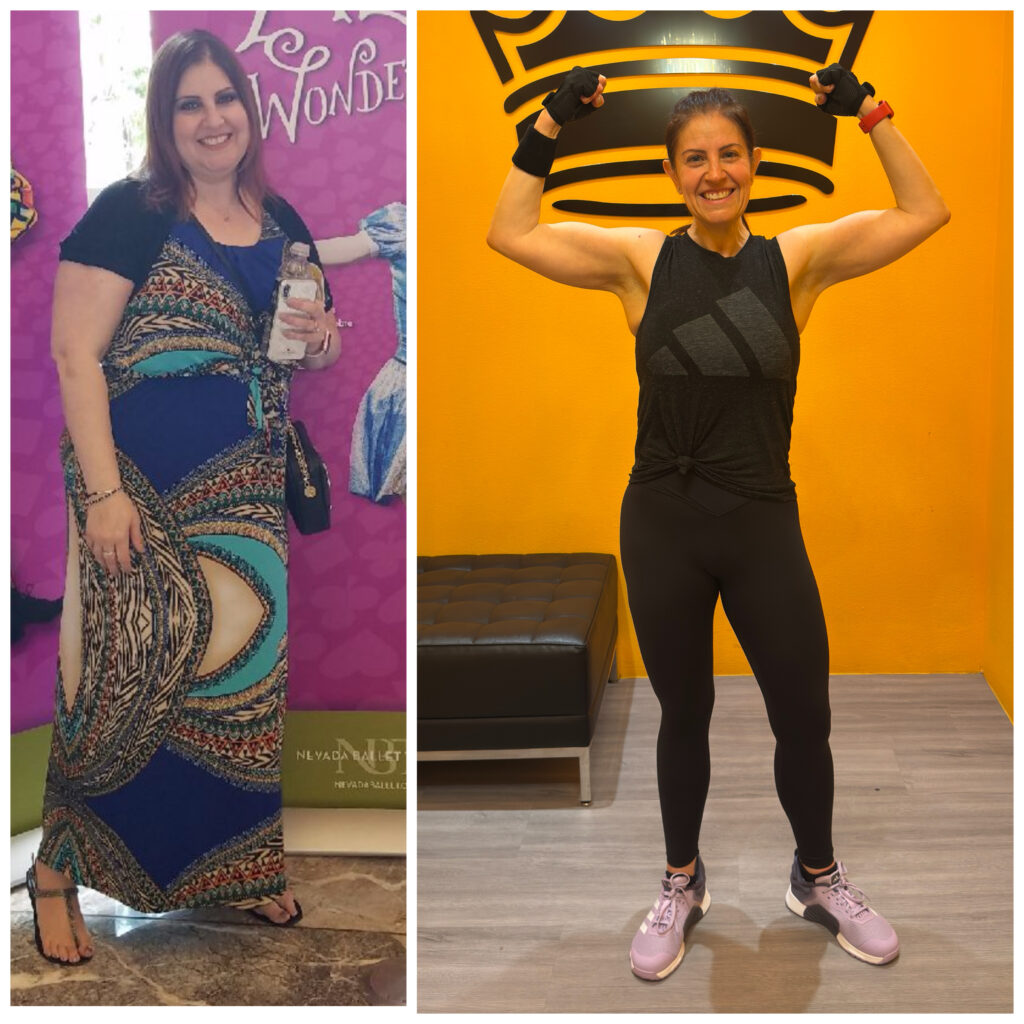
I began to focus on myself in ways I hadn’t before. I allowed myself to grieve fully, without rushing or hiding my pain. I sought therapy to process both my miscarriages and the loss of my mother, who had passed years earlier. I learned to care for my body with compassion instead of as a project, to nourish rather than punish it. I started gentle exercise, mindful eating, and consistent routines that honored my health and well-being.
Slowly, I rebuilt my life outside of the identity I had tied to motherhood. I discovered that I am resilient, compassionate, and strong in ways I hadn’t realized. I began investing in passions and relationships that had been waiting quietly for attention. I nurtured friendships, deepened connections, and found purpose in areas that were entirely mine. I learned that fulfillment does not come from a single role or outcome — it comes from living fully, intentionally, and authentically.
Even now, there are moments when the ache of loss returns — a mother holding her newborn, a baby’s laugh in a store aisle. But the pain no longer defines me. I carry it as part of my story, but it does not control my narrative. Acceptance has allowed me to integrate my grief into my life in a way that strengthens rather than diminishes me.
Motherhood may not be my story in the way I had imagined, but life still holds richness, purpose, and meaning. I have discovered new ways to nurture, to lead, and to leave a legacy. I am still whole, still valuable, and still capable of love and growth. Acceptance did not make me less; it made me stronger.
Choosing to accept that I may never be a mother was not easy. It required courage, honesty, and profound self-reflection. But in facing that reality, I found freedom. I reclaimed my identity. I rebuilt my life around what I can control — my health, my relationships, my purpose, and my joy.
I may never hear the word “Mom” spoken to me in the way I once dreamed. But I have found a deeper, more resilient version of myself. My story did not end with the loss. It evolved. And in that evolution, I discovered strength, peace, and the courage to live fully — even when life looks different than I imagined.
Acceptance did not erase my grief. It did not make the ache disappear. But it transformed it into a source of clarity, resilience, and self-discovery. In accepting that I may never be a mother, I did not lose myself — I found myself.
And that, more than anything, has become my greatest gift.